Efficiency Gap Across the Post-Trade Environment
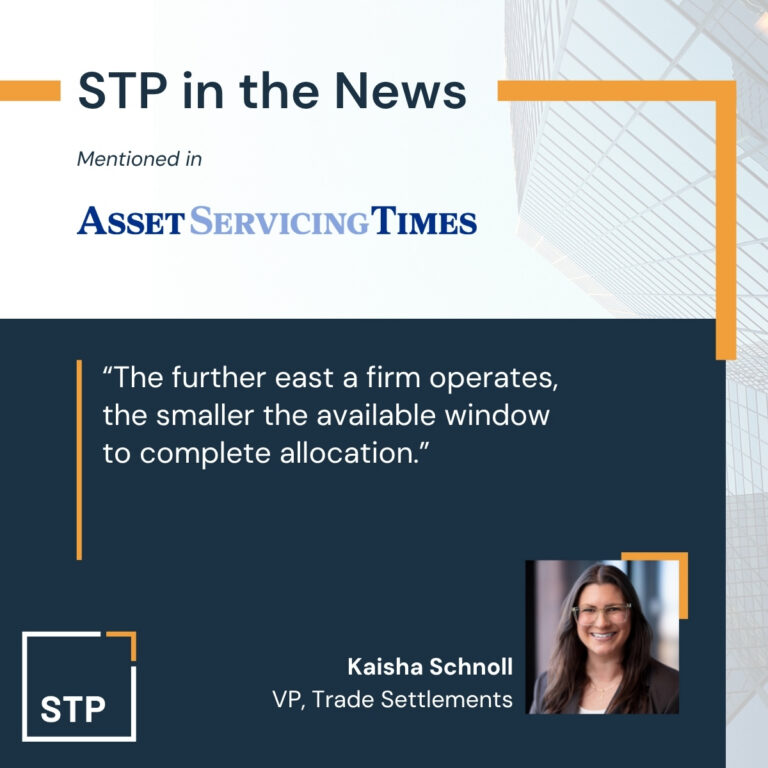
The transition to a T+1 settlement cycle has significantly compressed the post-trade window, exposing major frictions in cross-border operations. Despite US equities settlement accelerating to one day, cross-border investing infrastructure remains asynchronous. For European and Asian institutions purchasing US securities the growing timing disconnect has led to a systemic funding gap. Securities must settle before the underlying currency funding process is finished.
Consequently, cross-border investors are stuck between the strong pressure for accelerated domestic settlement cycles and disparate global time zones. A structural rift has arisen from divergent global regulatory deadlines, overlapping time zones, and the hurdles of executing simultaneous FX and securities transactions within a 24-hour period. The vast majority of the global FX landscape, especially cross-border funding, CLS participation windows, and custodial workflows continue to operate on T+2 timelines. Asset servicers are functioning as operational shock absorbers, using real-time mobility to avert systemic bottlenecks between jurisdictions.
Read more on what STP’s subject matter expert, Kaisha Schnoll had to say here.